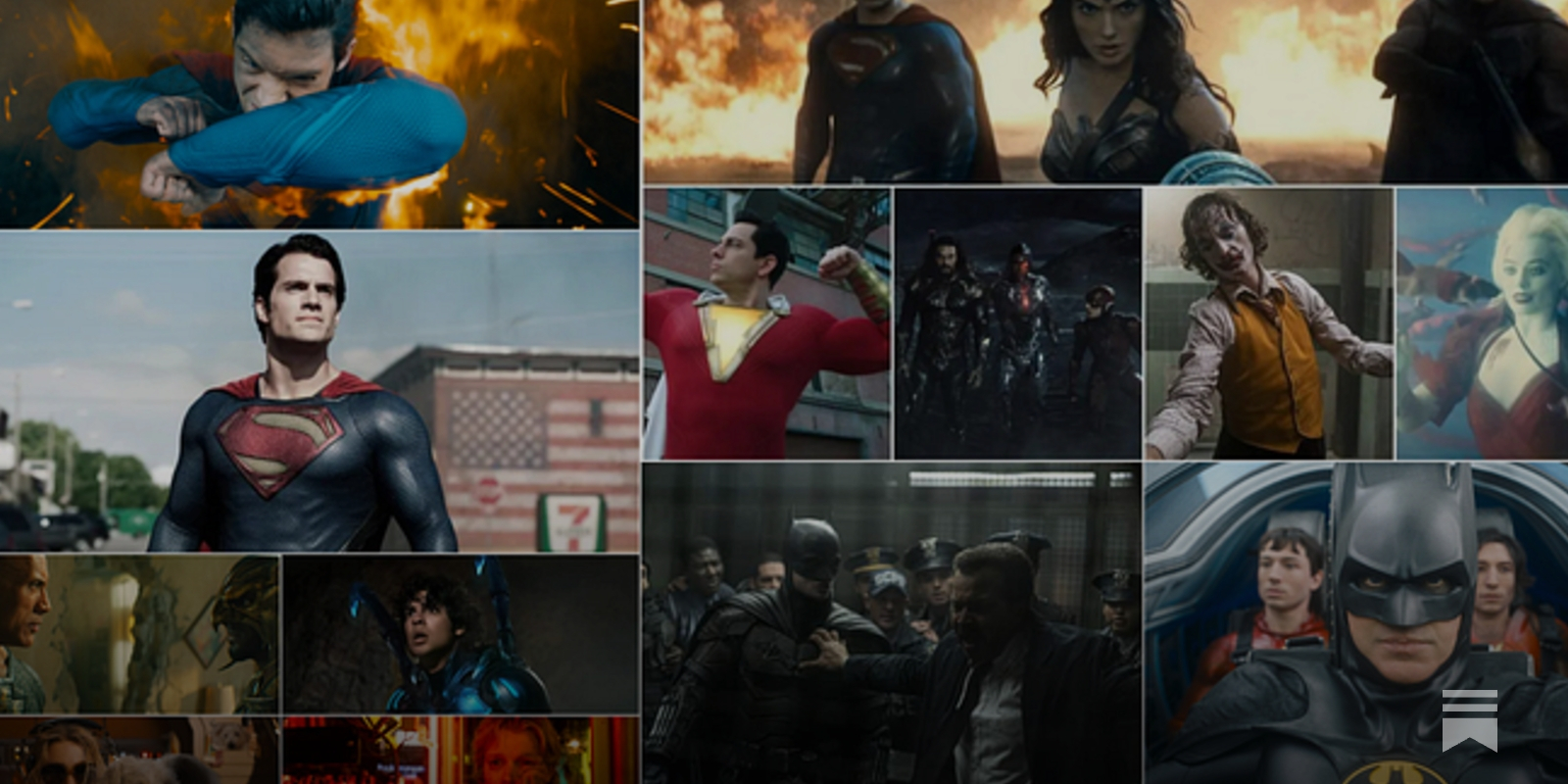
[#item_full_content] [[{“value”:”Barely a month after Warner Bros. was brought under the Skydance roof alongside Paramount, James Gunn and Peter Safran are stepping down as heads of DC Studios. Gunn and Safran will allegedly/reportedly return to full-time creative roles. I can’t speak for Safran, but for Gunn this might, optimistically, be akin to the finale of Charlie Bartlett, when Robert Downey Jr. realizes he’s been a terrible and/or miserable principal and returns to being a (wonderful and much happier) teacher.
I will assume that any in-the-pipeline projects (like next summer’s Man of Tomorrow and HBO Max’s upcoming The People v Gorilla Grodd) will continue relatively unmolested. I don’t know whether this changeover—with former Marvel Studios VP Jeremy Latcham taking the proverbial reins—will lead to the second franchise reboot in just over four years. Although there’s been so little “ground” covered in the last two years that I’d imagine it’d be safer to keep the continuity as-is for now. But two things can be true.
First, little has been more damaging to the notion of a stable—and (potentially) successful—DC Comics cinematic universe than the sheer amount of corporate turnover Warner Bros. has suffered since 2017. From Time Warner to AT&T to Discovery and now to Skydance, almost every regime change has led to shifting priorities and different ideas about how the new bosses could magically craft a DC universe that could compete with the MCU (or, better yet, approximate Marvel Studios’ 2010s peak popularity).
Second, the notion of a DC interconnected universe couldn’t catch fire when the very idea was new, different and exciting. So, after the retconning of DC Films and this apparent transition for DC Studios—when even Disney’s Marvel Cinematic Universe has found itself leaning on 2010s (or non-Disney Marvel franchise-specific) nostalgia—what hope is there of the DC Comics ecosystem suddenly becoming a reliable blockbuster-delivery mechanism on the third try?”}]] 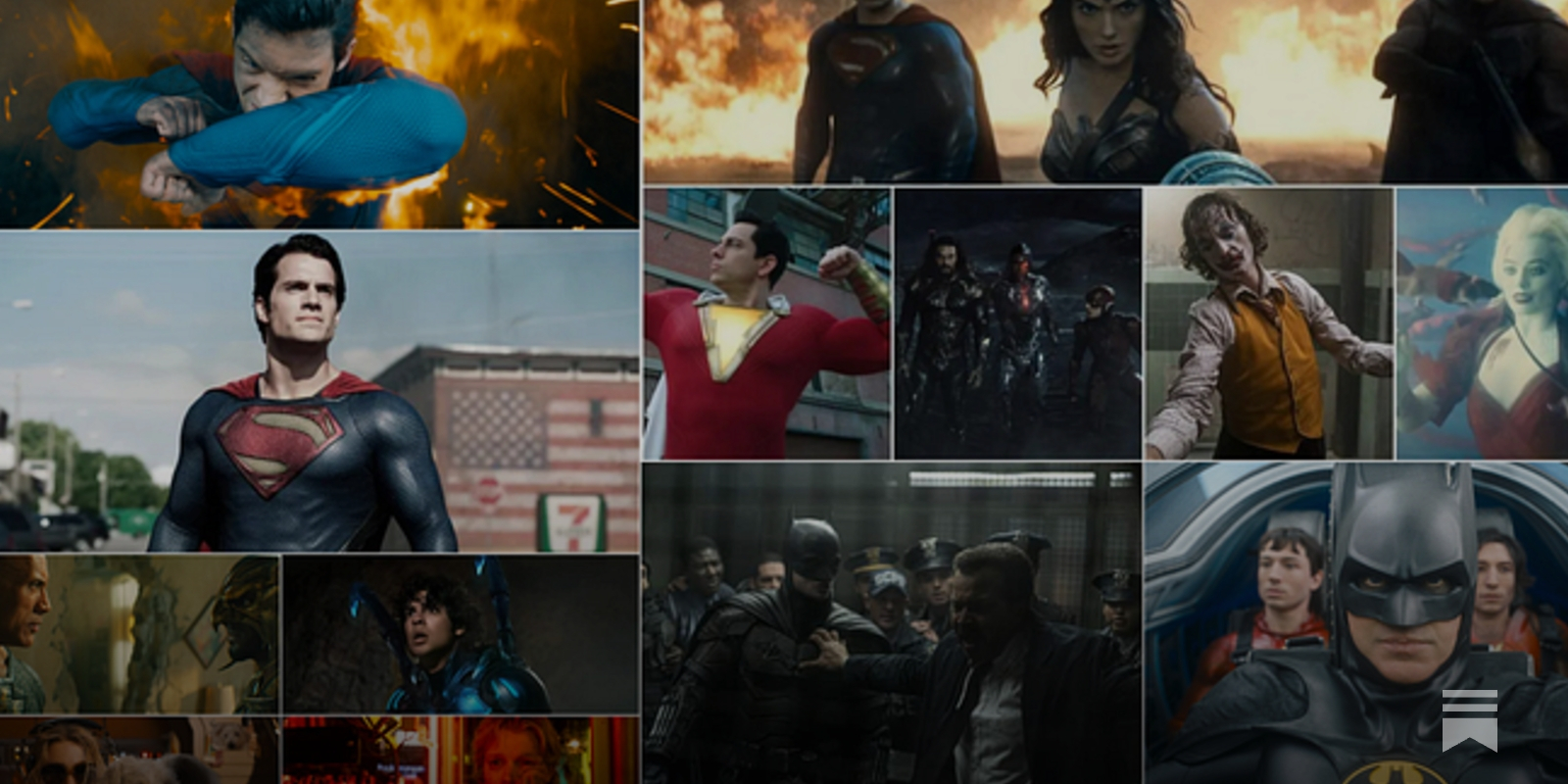 Read More
Nobody Wants This: The False Hope For a DC Comics Superhero Cinematic Universe

ByMarvelComicBooks.com
November 9, 2026