
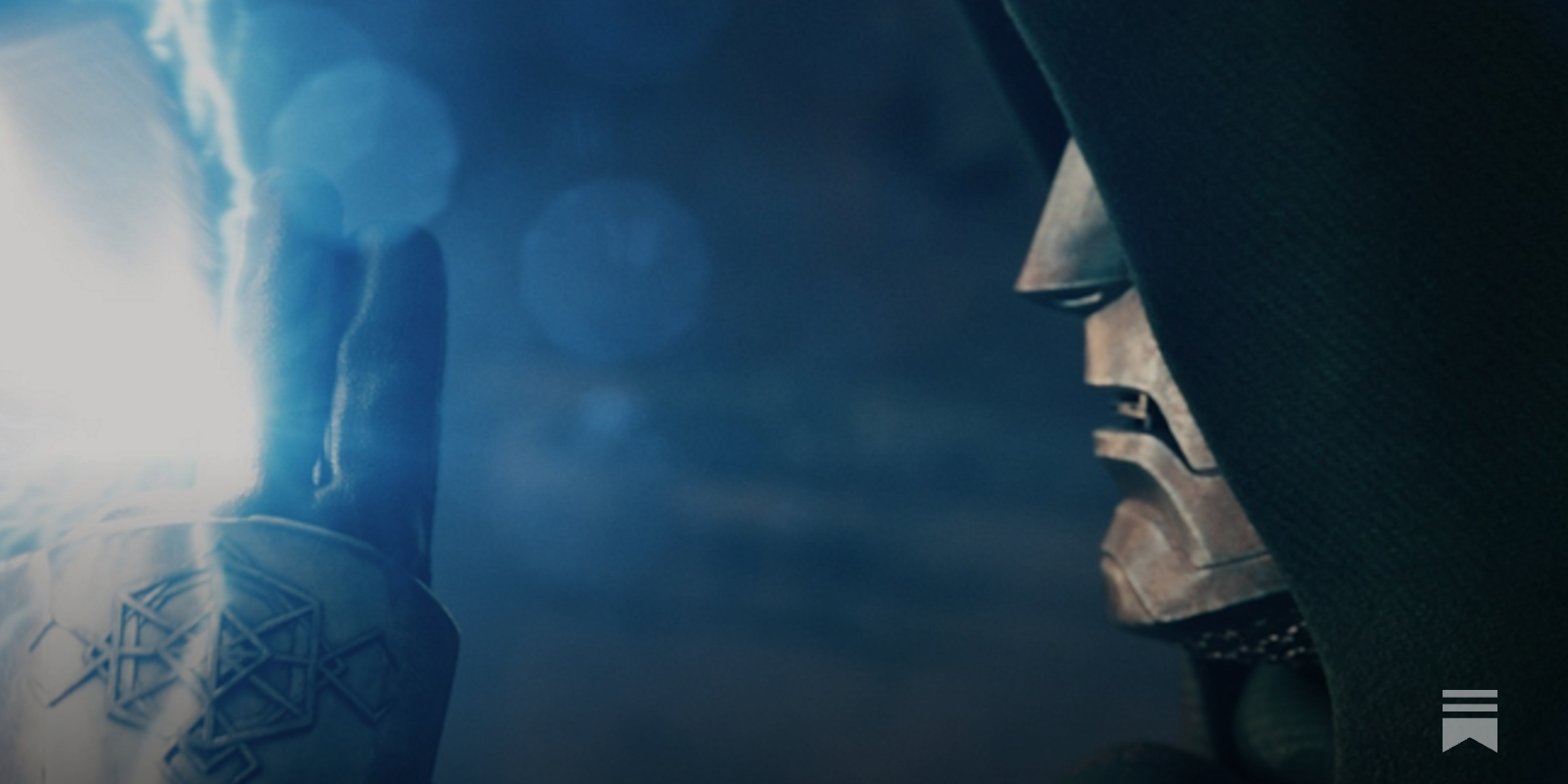
[#item_full_content] [[{“value”:”Aside from what I assume are some improved visual effects and maybe a changed shot or two, this is pretty much the same teaser trailer that Disney played (twice) in Las Vegas at the end of its CinemaCon presentation. As I wrote then…
The teaser plays like a riff on the spectacular Avengers: Infinity War teaser, but without the context, the earned goodwill and the sense of worldwide scope and scale that made that the very best MCU teaser or trailer of the 2010s. We got a slew of multiverse cameos and just enough glimpses of post-Endgame heroes not to lose hope that the nostalgia pitch is merely a Trojan Horse. That said, and slight spoilers, I got unexpectedly angry at the one moment that featured Shang Chi, looking cool and kicking ass, only to reveal his opponent to be – to the applause of the CinemaCon crowd – Channing Tatum’s Gambit.
Shang-Chi remains the one unmitigated 2020s “new to cinema” MCU success story (rave reviews, strong buzz and $435 million worldwide). Simu Liu should’ve been a lead player in what should’ve been Destin Daniel Cretton’s Avengers: The Kang Dynasty, which would’ve led to a First Avenger to Winter Soldier-level box office boost for Shang-Chi 2. Instead, at least in this initial teaser trailer, he gets upstaged by an Internet fancasting made real. At least Tatum’s appearance in Deadpool & Wolverine was somewhat tongue-in-cheek. And, yes, the teaser ends with Thor declaring a need for a miracle, only to see… a now-youthful Steve Roger sporting an even sexier struggle beard waiting and ready.
Subscribe
The benefit of the doubt should still apply. Kevin Feige is (still) not remotely an idiot, and all four Russo Bros-directed MCU movies were varying degrees of “pretty good.” However, this still feels like the run-up to Star Wars: The Rise of Skywalker, when every hint at what was coming was not-so-hidden in plain sight. The hope, as implied above, is that the pitch and/or the movie itself is a nostalgia vessel that’s less about basking in the return of Thor, Steve Rogers and Loki (along with the 2000s-era X-Men) and more about (re) introducing the post-Endgame heroes and villains and asserting the next generation as the headliners going forward.
Looking at this optimistically, think Star Trek: Generations. That torch-passing feature used Captain Kirk as a gateway vessel to introduce Captain Picard and the rest of the Next Generation crew to those who hadn’t watched the syndicated television show and assert the likes of Riker, Data and Worf as the headliners going forward. The bad news is that the worst sections of the (otherwise, I’d argue, quite good) movie were indeed the third-act sequences of Patrick Stewart and William Shatner adventuring together. The good news is that it did the job, and the next Star Trek movie was an entirely Next Generation affair. Star Trek: First Contact still rocks.
Share
As I noted this past weekend, the blowout success of The Odyssey should be definitive proof that online controversies and politically motivated social media whining do not represent mainstream consumer opinion. I’ll argue that Captain Marvel topping $1.1 billion and Bohemian Rhapsody passing $900 million in early 2019 should have closed the book on that. But then COVID reopened it via years when social media discourse was among the only viable/most public “metrics of success.” Without arguing that all online discourse is (im)morally equal, the mid-December reception for Avengers: Doomsday will likely be yet another case of “everyone on the Internet whines, but everyone in the real world shows up.”
Outside of online discourse and broader cultural concerns about a generation’s worth of younger, more “not a white guy named Chris” heroes being pushed aside for an older group of (mostly) white guys, Avengers: Doomsday can be sold as a generational nostalgia sequel. Think Toy Story 5, Inside Out 2 and Z_ootopia 2_ (noting that Avengers: Endgame also topped $620 million in China). In those cases, be it coincidence or causation, Disney waited long enough between installments so the sequel could capitalize on generational nostalgia among young(er) audiences who claimed cultural ownership of the respective predecessor. As such, Avengers: Doomsday can be sold as a 7.5-year follow-up to Avengers: Endgame.
Leave a comment
That’s not to let Disney off the hook for the choices (cough-Disney+ shows-cough) that led to this Uh… Robert Downey Jr. is back again! circumstance. Nor would I ignore concerns about selling an Avengers mythology episode that has been so poorly set up that the pitch can be little more than “Hey, remember Avengers: Infinity War?” However, unless it’s a Quanumnia-level trash fire (Ant-Man and the Wasp is still delightful), the notion that this December’s MCU offering will perform any worse than “Slightly underwhelming for a modern Avengers movie” doesn’t track. Even a decline on par with Aquaman 2 (from $1.15 billion to $433 million) gets Doomsday past $1 billion.
The question remains as it has been since Robert Downey Jr.’s Dr. Doom was unmasked at the 2024 SDCC. Can even a commercially successful Avengers: Doomsday do more than affirm that an Avengers movie starring the core original trio of Phase One actors can pull boffo box office? Like Batman v Superman, which cast Ben Affleck as the Dark Knight after Man of Steel didn’t excite the masses, success will come not in how well Avengers: Doomsday performs but in how its reception improves the chances for whatever comes next. If general audiences aren’t excited for the future of the MCU, get ready for Spider-Man and His Amazing and/or Astonishing X-Men.
Message Scott Mendelson”}]] 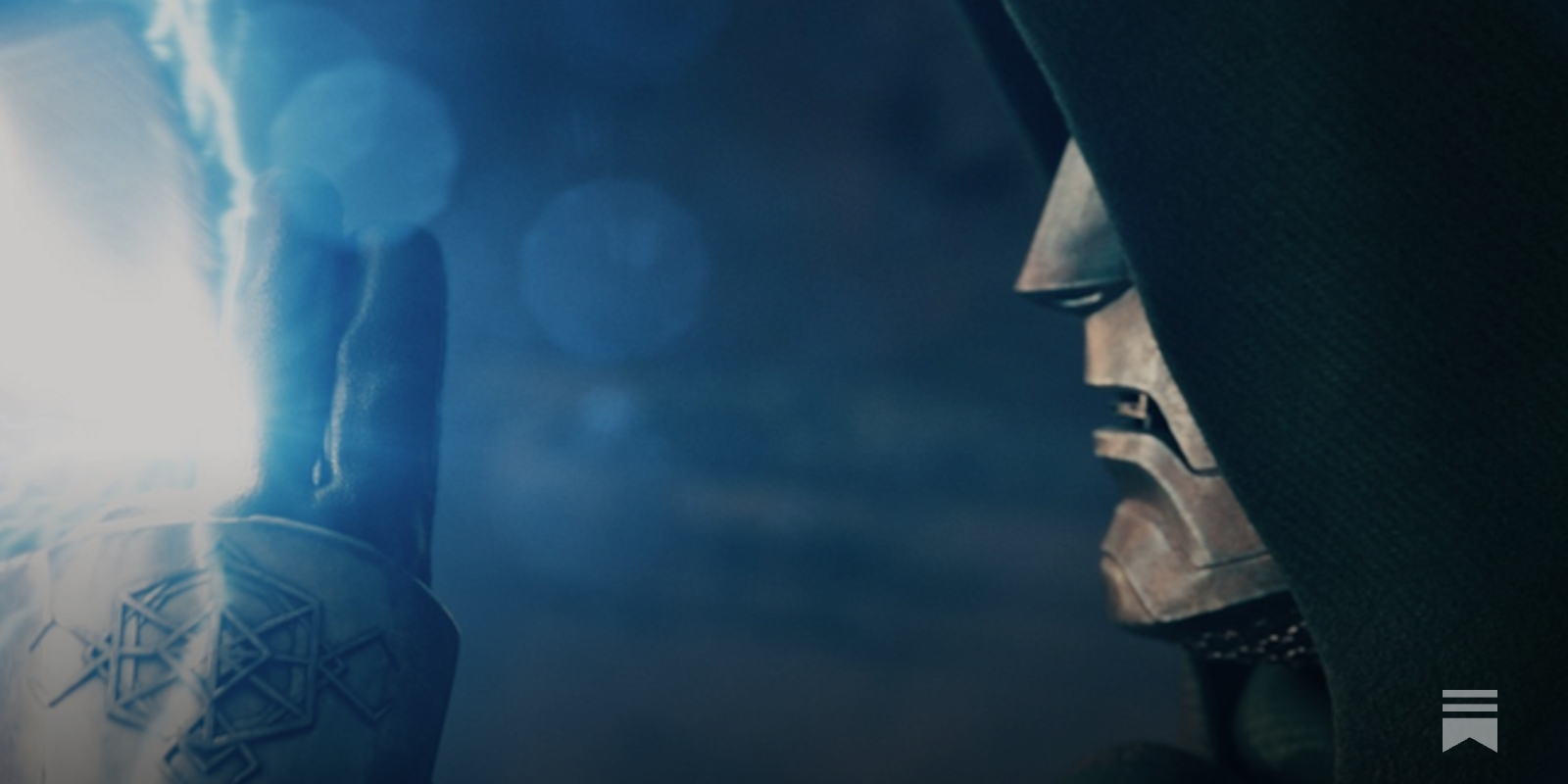 Read More